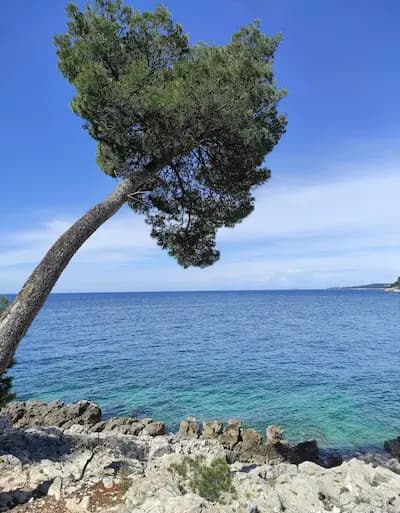
The Kvarner islands are not like the Dalmatian islands. They are older in feeling, less polished, more emphatic. The bura wind arrives without warning from the northeast and sculpts the landscape — the stone walls, the bent pines, the sea surface — into something that resists the merely picturesque.
Cres, Lošinj, Krk — each island in the Kvarner Bay has its own logic, its own pace, its own particular quality of light. Knowing which to choose, and when, is the whole art of a considered Kvarner itinerary.
Lošinj has been called the island of vitality for over a century. The air carries something medicinal — pine resin, sea salt, and the particular calm of a place that has always known its own worth.
Mali Lošinj in the off-season
We send guests to Lošinj in May and September — shoulder months when the sea is swimmable, the villas are available, and the harbour town of Mali Lošinj has not yet surrendered to the volume of summer. The waterfront cafés are still the domain of locals. The paths through the aromatic garden above the town are, on a weekday morning, entirely empty.
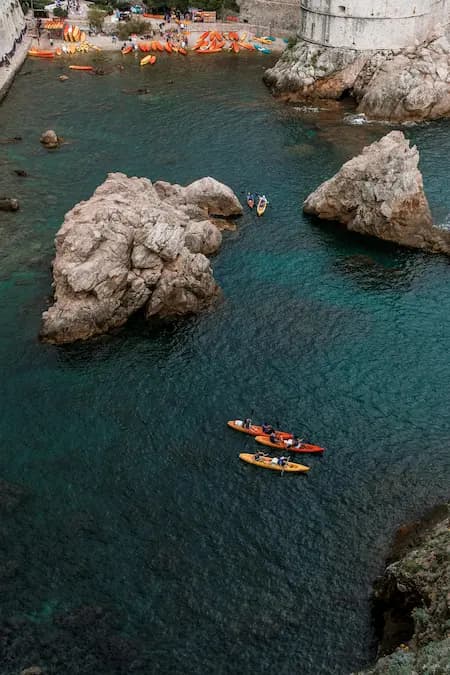
An afternoon on Lošinj follows a rhythm we have refined over many seasons. A boat departure from the villa at noon. A swim in a cove accessible only by water, its bottom visible at twelve metres. Lunch anchored in the bay — local wine, grilled fish, no agenda. Return by late afternoon when the light on the stone facades of Mali Lošinj turns a deep, complicated gold.
The crossing from the mainland
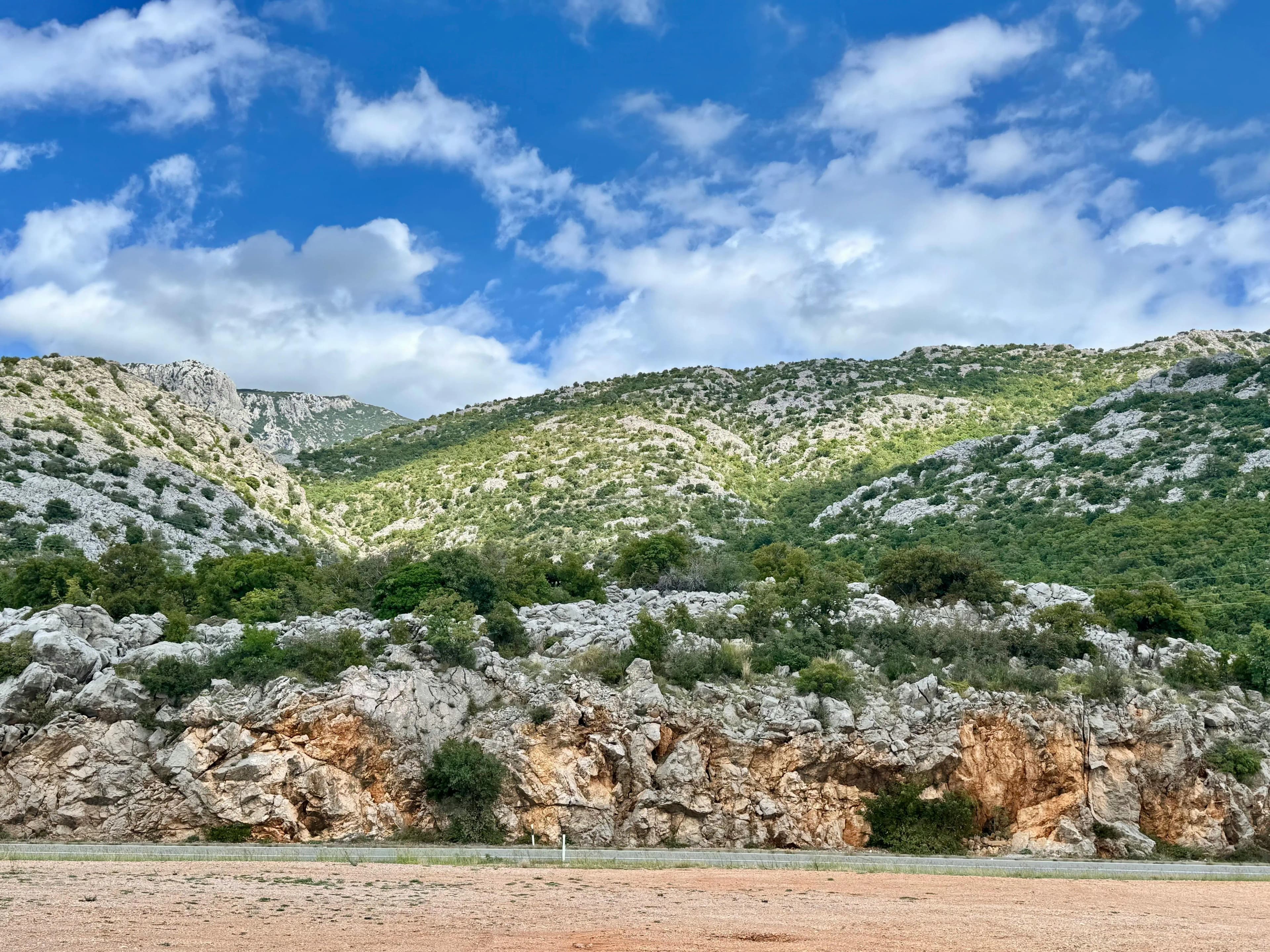
The approach to Kvarner from the mainland is itself part of the experience. The drive from Zagreb takes two and a half hours — through the Lika highlands, past the karst plateaus of Gorski Kotar, then the sudden descent toward the sea. We always recommend taking this route rather than flying into Rijeka. The arrival by land, with the bay revealing itself incrementally, earns the destination.